
Explore MTN Monitor | The most complete view of the MTN market in one centralised database.
The medium term note market received an inadvertent shot in the arm last year after the US started to impose tariffs in April.
It led to a new group of investors driving up private placement bond volumes.
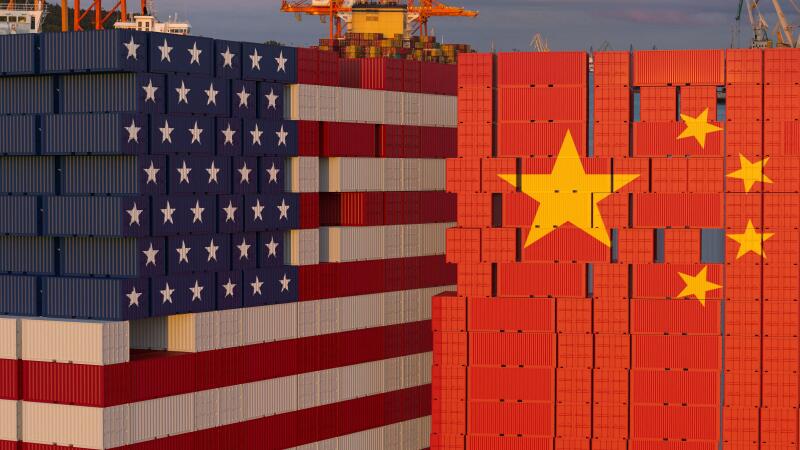
US-China trade relations are just as tense now as they were then, meaning the trend will continue.
This new demand came in great part from Chinese banks seeking supranational and other major agencies' lightly structured interest rate-linked dollar notes — callable fixed rate bonds, for example.
With US tariff policy targeting Chinese exports, authorities there reacted by, it is understood, cautioning their banks to move away from holding US Treasuries.
Chinese commercial banks started to rotate out of US government bonds but they kept their investments in dollars, driving demand for the public sector issuers they knew well and in particular their buying of callable notes.
Rate-linked callable notes are nothing new. They have been the bread and butter of the structured note market. But this extra group of investors is. And the size of Chinese banks' balance sheets means even a small fraction allocated to buying MTNs can have a big effect on issuance volumes.
MTN market participants highlighted the spike in dollar callables as a key area of growth in 2025.
Public sector issuers raised more than $17.5bn through structured MTN funding in 2025, GlobalCapital’s MTN Monitor shows.
Data from 2024 shows just $5.5bn of issuance.
Less than two months into 2026, there have already been close to $6.4bn of structured SSA sales identified, the vast majority of them callables.
This only serves to underline how the latest twist in the geopolitical relationship between the two superpowers will continue to propel MTN volumes.
In early February, Chinese regulators expressed concerns about local financial institutions’ US Treasury holdings, urging them to limit their investment. They even suggested to those with larger exposures to reduce their holdings.
Supranationals ans agencies that can issue callable dollar notes stand to benefit as Chinese banks recycle their Treasury holdings into other high grade assets.
Callable MTNs benefit in particular because vanilla public sector benchmarks offer so little pick-up over US Treasuries. The African Development Bank priced a $2bn five year benchmark this week at just 4.5bp over Treasuries — its tightest spread ever.
The value of the option in a callable MTN is used to enhance the yield of the bond, meaning a chance of better returns for investors.
It is also used to offer the issuer a better cost of funding than with a public benchmark, compensating for the smaller size.
The growth of the market, however, has put the intermediary banks that arrange the MTNs into fierce competition to provide arbitrage funding for their issuer clients.
Issuers might normally compete by offering better yield levels for investors but the increase in overall demand means they can use these trades to tighten further the rest of their MTN funding costs.
Seemingly, the only thing that will derail this trend is an outburst of harmony in US-China trade relations. That suggests any public sector bond issuers still unable to print callable dollar bonds have time to add these products to their funding repertoire. But even so, the longer they leave it, the more opportunities they miss.