Top Section/Ad
Top Section/Ad
Most recent


Benin reaped the rewards of its sukuk debut last week, and will do so for years to come

Little green men could be closer than they appear

Scrutiny of regulatory proposals by those without securitization expertise is a feature, not a bug

Weak or half-hearted response to Greenland threats will leave markets crumbling
More articles/Ad
More articles/Ad
More articles
-
 The Republic of Turkey has set price guidance on a new bond issue that equates to 50bp back of its curve. That is a big, sour number for Turkey to have to offer investors, but its goal at this point must be to reopen the capital markets for its banks and corporates. To do that, Turkey's new bond needs to perform.
 -
The UK government might seem to have little clue about where the the City of London will drum up business after the country leaves the EU in March but the City, and notably the London Stock Exchange, has always been more global than European in nature. For better or worse, it will likely come to rely on this more in the months and years to come.
-
Italy’s deficit expanding budget plans — and their incompatibility with the European Commission’s wishes — may be one of the biggest talking points in the capital markets, but Spain also intends to loosen its deficit in the coming years. While fiscal stimulus after years of austerity should be welcome — so long as it’s spent on growth boosting policies rather than handouts — Europe’s lawmakers at the national and supranational level must really be lambasted for their timing.
-
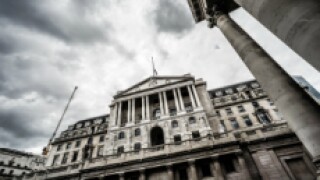
The Bank of England will steer banks and insurers to think seriously about climate change. This is great news in itself. But what will count is how far the Bank is willing to push them.
-
Tuesday’s intervention by the Bank of England into the debate on the future of euro clearing is another welcome move from regulators. The debate has been too long dominated by political noisemaking.
-
There is no question that Portugal is one of the success stories to come out of the eurozone sovereign debt crisis. Its 10 year yield, for instance, has recovered from above 16% at the peak of the crisis in 2012 to around 2% today. Amid the current pressures in the eurozone, precipitated by Italy's budget fiasco, Portugal has remained resilient. But rightly or wrongly, an escalation of matters there, or indeed elsewhere in the eurozone periphery, would bring extra pressure to bear.