Central and Eastern Europe (CEE)
-
 Political turmoil has stopped from Croatia printing its planned euro Reg S issue, having completed a two day roadshow for the deal on Tuesday.
 -
PKN Orlen printed the first non-financial corporate bond from Poland since 2014 on Wednesday and managed to mop up plenty of demand from a brand new investor base.
-
Three Russian corporates are looking to hammer out deals in the wake of the sovereign’s return to the bond market last week. All are refining their debt profiles with a combined buyback and new offer.
-
PKN Orlen was on track to print a seven year dollar bond with books over €1.5bn at guidance on Wednesday.
-
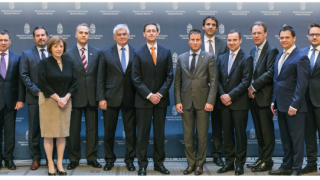
“The Hungarian economy is performing very well and its vulnerability to external shocks has declined,” notes a recent IMF report. At the GlobalCapital Hungary roundtable, representatives from the public and private sector exchanged views on what recent indicators mean for the longer term performance of the economy, and on the country’s banking industry and capital market. Participants in the roundtable, which was hosted by the Ministry of National Economy in Budapest in early May, were:
-
The Government of Hungary has been committed to an economic policy that has been promoting the success of enterprises on domestic and foreign markets.
-
After a bumper week in dollars, euros will be back on the CEEMEA table this week with PKN Orlen and Croatia wrapping up meetings on Tuesday. But the European Central Bank meeting on Thursday and US data on Friday is expected to keep issuance limited this week.
-
Russia this week printed its first Eurobond since 2013. But the $1.75bn deal — hobbled by Western banks refusing to lead arrange, Euroclear declining to confirm it would settle the bond and compliance teams halting some fund managers from participating — was not a straightforward issue. Debate rages as to whether the exercise has done the sovereign more harm than good.
-
Hungarian Export-Import Bank is near completion of its $600m-equivalent loan, with four banks making commitments, according to a lead banker.
-
Croatia has picked four banks for a euro-denominated bond and is embarking on investor meetings for the deal next week.
-
Russia has sold its first Eurobond since 2013, drawing a book of over $7bn, according to analysts, but with doubt still high as to what proportion of that figure was from true overseas buyers.
-
High profile sovereign bonds have dominated CEEMEA markets so far this week. Russia returned on Tuesday with its first deal since 2013, but not with the international slam-dunk the sovereign was hoping for. Elsewhere Qatar started book building for its long-awaited bond.