CEE Bonds
-
 Telekom Slovenia, a firm downgraded four times in the last five years, has secured a €300m loan to refinance a bond, the move will strengthen its Ba2 rating according to Moody’s.
 -
Renaissance Financial Holdings is looking to extend its maturity profile with a five year non-call two note via an exchange offer.
-
Georgian Oil & Gas Corporation (GOGC) is preparing ground to issue the first Eurobond from Georgia since 2013 and is simultaneously offering to buy back for cash its existing July 2017s.
-
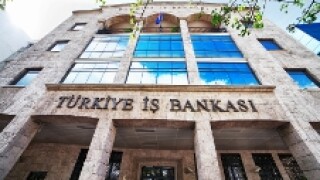
Bankers were predicting a return of senior Turkish financial supply after Isbank achieved nearly four times oversubscription for its market reopener on Wednesday.
-
-
-
A slew of unusual CEEMEA issuers this week announced plans to meet with investors: Global Ports Investments, Kenya, Ahli Bank Qatar and Alternatifbank. Some are specified as non-deal meetings while others are focussed on specific deals.
-
Russian container terminal operator Global Ports Investments has mandated six banks for its debut Eurobond and is embarking on a roadshow for the deal. The last time a debut issuer from the country tapped the bond markets was in 2013.
-
Isbank reopened the senior market for Turkish financials in style on Wednesday with an oversubscribed deal that was priced tight to the issuer’s existing curve.
-
Poland has returned to the dollar market after its ratings downgrade and, in printing with the lowest new issue premium for a dollar CEEMEA sovereign bond this year, has knocked out any lingering concerns about appetite for its debt.
-
HSBC has promoted from within to head its wholesale banking business in Turkey.
-
Isbank emerged on Wednesday with the first senior deal from a Turkish financial borrower since last April.