
Top Section/Ad
Top Section/Ad
Most recent
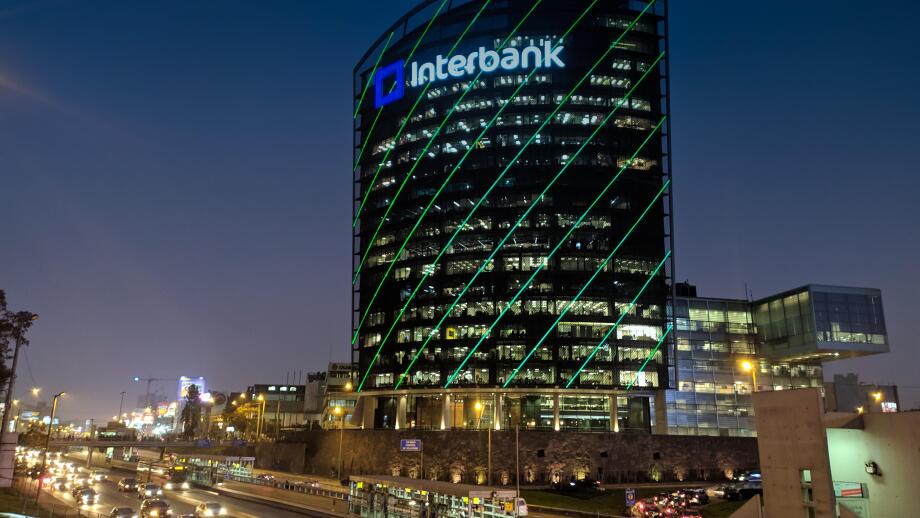

Investors saw plenty of juice in first public AT1 from Chile as regulatory framework draws praise

Mexican lender falls short of bond size target as late 2023 momentum fades

◆ US RMBS sales in Europe: immigration or vacation? ◆ UBS AT1 makes nonsense of claims of investor fears ◆ The EU's last hurrah in the SSA market

◆ IG investors comfort eat sweet spreads ◆ What can FIG issuers do now? ◆ US HEI securitizations: mainstream or flash in pan?
More articles/Ad
More articles/Ad
More articles
-
ING tested the depth of US investor appetite for European banking paper in a lively week for dollar issuance from the banking sector. The A2/A+ rated Dutch bank tapped the market for $2bn in a two part offering of three year fixed and floating rate paper via Citigroup, ING, JP Morgan and Morgan Stanley.
-
After another busy week for dollar denominated tier two supply, with Alfa Bank, Citic Bank and Nordea issuing, the run of deals is set to continue as Erste Group wraps up its roadshow.
-
Malayan Banking Corp raised $800m to bolster its capital on its return to the global bond market last week. The deal offered a yield pick-up of more than 30bp against its higher-rated Singaporean peers.
-
The world’s biggest banks need around €374bn of common equity tier one (CET1) capital to avoid restrictions on payouts under a fully-loaded Basel III framework, according to a survey by the global banking regulator published on Thursday.
-
Andrea Enria, chair of the European Banking Authority, called this week for more resources to formulate a banking union framework and to work on consumer protection.
-
Nordea joined the run of banks issuing tier two on Monday, but veered away from the trend to target Asian retail accounts, instead selling the deal to US investors.