Top Section/Ad
Top Section/Ad
Most recent
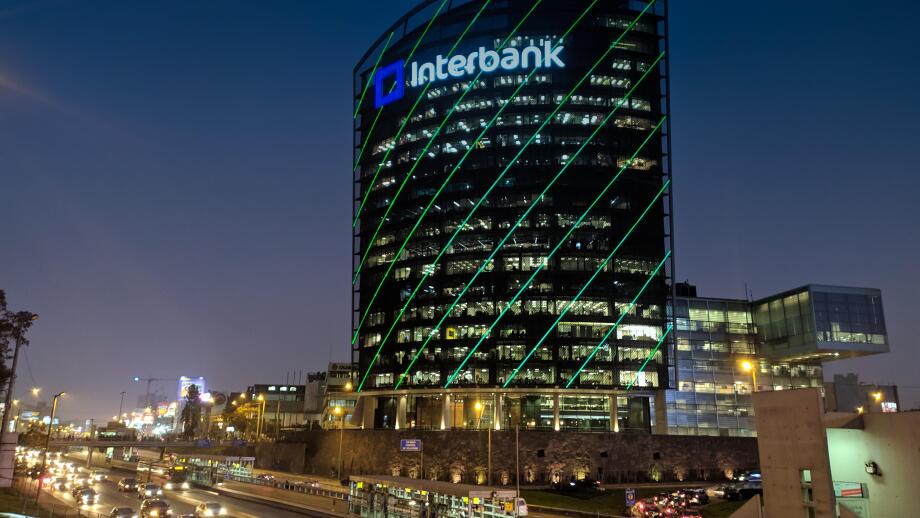
Investors saw plenty of juice in first public AT1 from Chile as regulatory framework draws praise

Mexican lender falls short of bond size target as late 2023 momentum fades

◆ US RMBS sales in Europe: immigration or vacation? ◆ UBS AT1 makes nonsense of claims of investor fears ◆ The EU's last hurrah in the SSA market

◆ IG investors comfort eat sweet spreads ◆ What can FIG issuers do now? ◆ US HEI securitizations: mainstream or flash in pan?
More articles/Ad
More articles/Ad
More articles
-
 Banca Monte dei Paschi di Siena has picked banks to arrange a new tier two transaction — its first bond offering since being recapitalised by the Italian state in July 2017.
 -
Lloyds Banking Group opened books on a 30 year tier two deal in dollar market on Thursday, following Commonwealth Bank of Australia’s strong result in the same tenor the day before. The two deals began bookbuilding at the same price point, but SEC-registered Lloyds should also benefit from onshore US demand, while Reg S CBA did not.
-
Technical factors suggest additional tier one (AT1) capital yields will continue to fall this year, even after a remarkably strong 2017. Ironically, the Banco Popular resolution, which burnt AT1 holders, actually made the asset class look more attractive in relative terms. Jasper Cox reports.
-
Non-US financial institutions have favoured going to the dollar market for unsecured offerings in the first two days of the year, with Crédit Agricole looking to raise tier two capital in the currency on Wednesday.
-
A plethora of covered bonds issued in the first week of 2018 met with strong investor demand reflecting the fact that buyers have considerable amounts of cash to put to work.
-
The Single Resolution Board has come up with a policy on the minimum requirement for own funds and eligible liabilities (MREL), clarifying its position on the eligibility of structured notes and retail holdings and giving banks up to four years to hit their institution-specific targets.