Africa Bonds
-
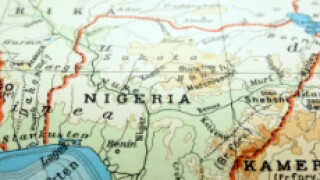
 The Central Bank of Nigeria decided on Tuesday to leave its rates on hold, but despite concerns that this will plunge the economy into further difficulties, Nigeria’s Eurobonds rallied 30bp over-night as investors focus more on oil prices than policy decisions.
 -
Markets opened with a more positive tone on Monday after comments from Saudi Arabia buoyed oil prices and the European Central Bank boosted confidence last week. But with many US bankers snowed in at home, EM issuers are holding back.
-
Emerging markets bankers were treated to a new name on Monday as Banque Ouest Africaine de Développement (BOAD) announced a roadshow for its debut bond.
-
Nigeria will have to pay a yield of over 9% to access the international markets as it plans its first Eurobond for three years, according to Exotix.
-
Crashing commodity prices and an increasingly intense focus on compliance and reputation has made launching international bonds in Africa much tougher over the past year. Many banks are wondering whether the risks are still worth the reward. Francesca Young reports.
-
Renaissance Capital has opened a new office in Cape Town, South Africa.
-
Most African sovereign bonds yield have spiked to double digits in the last week as the sell off in US high yield bonds and associated funds has hit the emerging markets.
-
South Africa is having rating trouble, and it looks serious. Since Friday, it is teetering on the edge of investment grade at both Standard & Poor’s and Fitch, a big problem for a country with a lot of infrastructure to build. But South Africa’s woes don't go too deep, and the country's growth could bounce back quickly.
-
Standard Bank will pay $25.2m to the UK Treasury and will be required to pay the government of Tanzania a further $7m in compensation over its failure to prevent bribery. The fine relates to the winning of a mandate for Tanzania’s $600m private placement in 2013, the pricing of which was heavily criticised by bankers away from the deal.
-
Kenya will issue its second infrastructure bond next week, said the governor of the Central Bank of Kenya, Patrick Njoroge.
-
IFC has issued its first ever rand denominated green bond as it continues to expand its global programme of climate aware financing.
-
The Republic of Cameroon’s $750m 9.75% amortising dollar 2025s were bid around a point lower than reoffer on Monday morning, as lead managers Société Générale and Standard Chartered Bank released book statistics for the trade.