France
-
-
Compagnie de Financement Foncier (CFF) enjoyed a strong reception for the seventh 10 year covered bond in little over two weeks.
-
 Eurofins Scientific, the French laboratory testing firm, has successfully completed a €296m capital increase, nine months after a similar transaction failed due to a lack of demand.
 -
Veolia Environnement became the first French company and only the second European corporate to issue a Panda bond, raising Rmb1bn ($150m) this month with a privately placed note.
-
Société Générale raised $1.5bn of additional tier one capital on Tuesday, following in the footsteps of four of its European peers this summer.
-
Sanofi entered the European corporate bond market for the second time in a year on Tuesday, using its favoured triple tranche format and printing short dated notes with a negative yield.
-
The covered bond market was in good shape on Tuesday but it was in good shape this time last year too. With core covered bond valuations still out of sync with other asset classes, bankers warn that the market has become complacent and another correction is due.
-
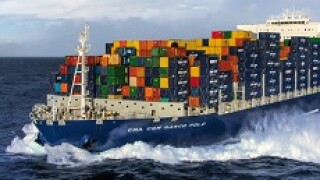
Investors’ concerns about the performance of the shipping industry have hit bonds of the French group CMA CGM in an otherwise stable high yield secondary market.
-
Two European real estate investment companies have wrapped up loans in the last week, though borrowing by the sector is lagging behind bumper 2015 volumes.
-
Compagnie de Financement Foncier (CFF) enjoyed a strong reception for its fourth covered bond of the year, the seventh 10 year issue in little over two weeks. Despite the surfeit of 10 year supply and meagre spread to OATs, the transaction was smoothly executed.
-
Compagnie de Financement Foncier has mandated leads for the first French covered bond since mid-June, the bank’s fourth this year and the sixth 10 year in two weeks.