Deutsche Bank
-
 Heineken, the Dutch brewing company, issued a €500m bond, tightening pricing as investors jumped on a rare issue by the company.
 -
American Honda, the American subsidiary of the Japanese auto company, made its first euro appearance in two years on Thursday, becoming the second auto company to tap the euro market for fixed and floating paper this week.
-
Talk of Russian issuers’ bond plans has been gathering pace this week as Gazprom has mandated for a bond to be printed before the end of this year, sanctioned VEB looks to 2016 for a Panda bond, and Norilsk Nickel embarks on a series of investor meetings.
-
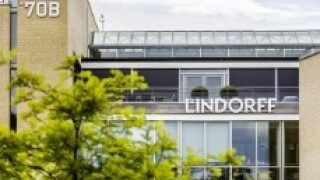
Lindorff, the Norwegian debt collection company, priced a €230m tap of its floating and fixed rate bonds on Thursday, reopening the European high yield market after the summer break in encouraging style.
-
Bankers are pointing to sovereigns from central Eastern Europe as the best hope for CEEMEA supply although much of the region is bound by the uncertainty of when the US will start to raise rates.
-
The European high yield market has a good chance of avoiding contagion from the wider swing away from risk in financial markets, according to investment strategists at Deutsche Bank.
-
Poland made sure CEEMEA was not left out of the September restart rush on Wednesday, but more traditional emerging markets are likely to be left sidelined until after the US Federal Reserve decides to raise interest rates, said debt bankers.
-
Estonia's Eesti Energia is looking to print a euro denominated Reg S bond.
-
-
KfW showed public sector issuers exactly what it takes to get euro investors reaching into their pockets this week — a hefty new issue premium, writes Tessa Wilkie.
-
The corporate bond pipeline for September swelled rapidly over the course of this week, with no less than six companies hiring banks for roadshows in the near future.
-
There was a tense finish to the Indian government’s Rp93.96bn ($1.42bn) divestment of its stake in Indian Oil Corp (IOC), with books only covered just before the transaction was due to close thanks to late bids from state-owned insurers.