Top Section/Ad
Top Section/Ad
Most recent


When staff complain, they deserve a fair hearing, not a wall of silence

Benin reaped the rewards of its sukuk debut last week, and will do so for years to come

Little green men could be closer than they appear
Scrutiny of regulatory proposals by those without securitization expertise is a feature, not a bug
More articles/Ad
More articles/Ad
More articles
-
Among the myriad dilemmas tied to managing Libor exposures and the development of Sofr markets, one potential remedy has steadily gained more attention: leave it to the government to fix the problem.
-
 Lyft, the US ride sharing app, has hit the gas on its Nasdaq IPO this week, which promises to be the largest technology listing in New York since Alibaba floated in 2014. The deal is a fee bonanza for Lyft’s banks but it has also reignited the debate about dual class share structures. The LSE and UK regulators should maintain corporate governance standards, and resist competitive pressures to follow New York, Hong Kong and Singapore by allowing them.
 -
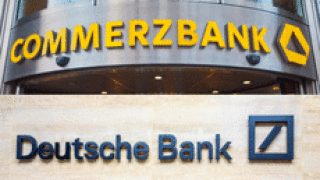
The potential merger of Deutsche Bank and Commerzbank has been repeatedly panned since it was first floated, with good reason. But at the level of the whole German banking system, there is a certain logic to it.
-
Asia is gunning to be the world leader of green bond issuance but the market needs a spark to ignite new issuance. Sovereign green bonds will be the key to the continent’s growth in this sector.
-
South Korea’s Homeplus Stores whipped the market up into a state of excitement over the last month as it lined up a real estate investment trust (Reit) the likes of which the country had never seen. Even more tantalising was the pipeline of large companies considering Reits of their own if Homeplus's offering went well. But it aimed too high and had to pull the deal, wrecking the party before it started.
-
A vote to leave the EU has left the population of the UK divided. The country’s banking sector will increasingly come to share in this division, with the largest financial institutions able to muddle on in capital markets even as smaller lenders find themselves beholden to events in domestic politics.