Asean
-
 Goh Ken-Yi has resurfaced at RHB Securities Singapore in a new role as head of corporate client coverage, after leaving Standard Chartered at the end of last year.
 -
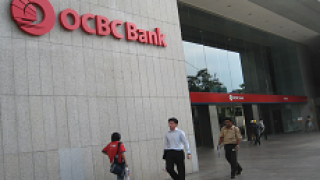
Oversea-Chinese Banking Corporation has established its $10bn covered bond programme, and with a top rating from both Moody’s and Fitch, it is only a matter of time before the bank issues its first covered bond.
-
The Philippine subsidiary of US restaurant chain Shakey’s Pizza opened books on Thursday for an IPO that could raise Ps3.5bn ($70.1m).
-
Oversea-Chinese Banking Corp has become the last of the three big Singaporean lenders to pave the way for a covered bond, announcing a $10bn programme on Wednesday.
-
Malaysia’s Public Bank is returning to the loan market for a $500m five year deal via sole mandated lead arranger and bookrunner Standard Chartered.
-
Indonesia’s Mega Central Finance and Mega Auto Finance are jointly seeking a $75m fundraising, which opened into general syndication on Tuesday.
-
Derivatives exchanges are making a push on natural gas with three new initiatives unveiled, amid expectations that demand to trade such products across global markets is set to grow.
-
Philippine fast food restaurant chain Jollibee Foods Corp (JFC) is planning to float its Vietnamese unit, according to a stock exchange filing on Monday.
-
VietJet Air has started seeking investor interest for its potential $200m domestic IPO, according to bankers close to the deal.
-
Fullerton Healthcare Corp has decided to pull its S$213.3m ($149.6m) IPO after delaying the transaction mid-bookbuild when questions were raised about its business model.
-
ECM regular IOI Properties Group is back with a rights issue, and is looking to raise MR1.53bn ($346m) from existing shareholders. The deal is already in the bag as the Malaysian company’s largest stakeholders are all expected to sign up for the transaction.
-
A Park Hotel Group company has approached the loan market for a S$760m ($536m) five year fundraising.