Free content
-
 China is keen to step up the pace of internationalising the renminbi - and European governments are keen to help.
 -
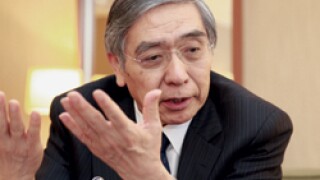
In an exclusive interview with Emerging Markets, Bank of Japan governor Haruhiko Kuroda insisted the policies of Abenomics were working, not hurting, and defended the ways the world’s big four central banks were operating monetary policy
-
Pakistan has had an impressive year under new premier Nawaz Sharif. But the government needs to keep up its reforming zeal to get the South Asian state’s finances back on track.
-
The World Bank’s East Asia chief, Axel van Trotsenburg, tells Emerging Markets why it is boosting its investment in Myanmar threefold.
-
Australia has used its role as chair of the G20 to secure agreement for the creation of a hub to co-ordinate the growing number of multinational players seeking to lever investment into infrastructure.
-
Record remittances from Bangladeshis living abroad have negated the country’s need to issue international debt, the finance minister told Emerging Markets.
-
The UK is gearing up to become the first government, apart from China, to sell a renminbi bond, in a deal that could come as soon as next week and be worth Rmb2bn.
-
The principle is clear: shareholders and creditors should bear risk of bank failures. Working out how to achieve that is the difficult part.
-
Narendra Modi swept to power in India with a record victory but fears quickly surfaced that he might waste his great opportunity to reinvigorate the country, after an underwhelming first 100 days in power. Give him time, say his supporters
-
-
-
When Nawaz Sharif was elected premier of Pakistan in June 2013, the country’s economy was in a perilous state. Foreign exchange reserves had slipped to dangerously low levels over the previous 18 months and would continue to fall for months to come. Inflation was running at close to 10% while growth was on track to hit 3.7% in the 12 months to end-June 2013, down from 4.4% the previous year.