Danske Bank
-
 Santander Consumer Bank AS was well supported for a rare offering of preferred senior debt at the beginning of the week, as market participants suggested that spreads on Norwegian bank bonds could have room to tighten further.
 -
-
The Kingdom of Norway hit screens on Tuesday with initial pricing thoughts on its yearly syndicated benchmark.
-
The euro market had no trouble digesting a pair of similar trades from Landesbank Baden-Württemberg (LBBW) and Svenska Handelsbanken this week, with both banks printing non-preferred senior bonds at 58bp and paying a small new issue premium to investors.
-
Akelius Residential Property, the Swedish property company, ratcheted in the yield on its hybrid capital issue by 50bp on Monday, setting the stage for a romping week of similar issuance as further names line up deals.
-
Marel, the Icelandic company that makes food processing equipment, has signed a €700m revolving credit facility, becoming the latest investment grade borrower to switch its bank debt to a sustainability-linked structure.
-
The Kingdom of Norway is eyeing the international investor base as it prepares to launch its yearly Norwegian krone bond syndication — a new 10 year benchmark, set to mature in August 2030.
-
-
Conditions for issuance in the additional tier one market may be more attractive than ever, but there’s still good reason for some bank treasury teams to bide their time.
-
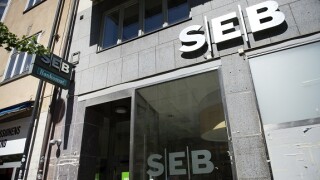
SEB found calm conditions in the euro market this week as it paid a small new issue premium to launch a bail-inable senior bond on the back of its recent results announcement.
-
The Republic of Finland and the State of North Rhine Westphalia hired banks on Monday to prepare syndicated bonds at the long end of the euro curve. Yields of eurozone haven assets remain compressed while fears of the coronavirus outbreak intensify.
-
The Norwegian krone bond market is about to get a spurt of corporate deals. Liquid chemical storage company Stolt-Nielsen and energy group Eidsiva Energi have mandated banks to lead bond issues in their domestic currency.