Germany
-
WL Bank mandated leads for the second €500m 10 year of 2016 from a German bank this year, and the fifth 10 year overall. Meanwhile, SCBC will follow DNB Boligkreditt with the fourth five year from a bank outside the Eurozone.
-
 DekaBank made a rare appearance in the public bond market on Monday, but found itself the only FIG borrower active in euros as sentiment took a turn for the worse.
 -
LBBW decided to launch €1.25bn of three year fixed rate senior notes on Friday, after hints of more stimulus from the European Central Bank gave a boost to market sentiment.
-
FMS Wertmanagement has launched two separate tender offers on the Irish Stock Exchange for euro, Swiss franc, US and Canadian dollar denominated covered bonds issued by Depfa Bank and Depfa Pfandbrief Bank SA.
-
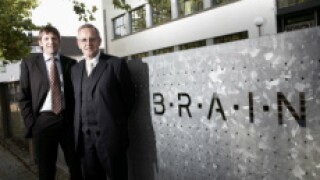
Biotechnology Research And Information Network, the German biotech business, has set a price range of €9 to €12 a share for its Frankfurt listing, implying a market cap of €148m to €197m.
-
ChemChina is in the early bird stage of syndication for its KraussMaffei acquisition loan and is targeting relationship banks, according to a banker familiar with the deal. Commitments are due around the end of the month.
-
Rocket Internet has raised a $420m unlisted fund that will invest in its portfolio companies — an innovative funding mechanism arranged by Goldman Sachs.
-
FMS Wertmanagement has launched two separate tender offers on the Irish Stock Exchange for euro, swiss franc, US and Canadian dollar denominated covered bonds issued by DEPFA Bank and DEPFA Pfandbrief Bank SA.
-
HeidelbergCement, the German building materials manufacturer, has done part of the financing for its acquisition of ItalCementi in the Schuldschein market, but insists it is not afraid of volatility in the bond market.
-
Five issuers from core Europe priced covered bonds this week but the standout success, which could have been priced without the European Central Bank’s help, was the first Austrian deal of the year from Erste Bank.
-
NRW.Bank printed a trio of €500m notes this week, equalling its highest ever weekly volume for private placements, according to Dealogic.