Free content
-
 There was a time, not so very long ago, when a ‘yes’ vote in a secession referendum in the most prosperous region of the eurozone’s fastest growing economy might have sparked some concerns. Those days appear to be behind us.
 -
There is little that can affect a veteran bond banker more than experiencing the joy of a debut issuer. Whether they’re happy with the funding costs, impressed by the deal size, or just basking in surprise that no-one took a closer look at their accounts, new issuers often bring a child-like innocence to the debt markets. Sometimes, however, they go too far.
-
The head of Thailand’s Bond Market Association tells GlobalMarkets about the potential of blockchain and wider market reforms to increase trading efficiency and help expand the size of its corporate debt market
-
Indrajit Coomaraswamy wants to institutionalise Sri Lanka’s macro-economic framework by stiffening up the country’s Fiscal Management Responsibility Act.
-
Africa’s finance ministers are turning their attention to private sector investment and trying to move beyond bilateral loans from China.
-
The World Bank is working on new refugee bonds, GlobalMarkets can reveal, as Bangladesh put in a request for financial support to cope with the burdens of the influx of Rohingya Muslim migrants from Myanmar
-
After initially treating China’s Belt and Road Initiative as a local venture, India has launched its own Project Mausam plan that experts say could be a “win-win” for the region at the risk of stirring tensions between the two powers
-
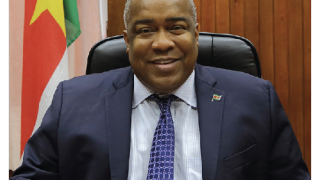
Finance minister Gillmore Hoefdraad had a front row seat as Suriname’s open economy was battered on three fronts — lower gold and oil prices, and the end of bauxite mining — leading to a recession in 2016. However, as Hoefdraad points out, the recovery is well underway and explains how, through several measures that the government is taking, it is becoming better prepared for external shocks.
-
After suffering from the end of the commodity boom more than most, Suriname’s recovery is impressing many investors. Although questions linger around the fiscal consolidation plan, the government’s reform agenda looks to be putting the economy on the right track.
-
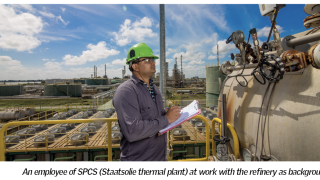
The opening of Suriname’s second large gold mine has played a crucial role in the country’s economic recovery, and offshore oil discoveries in neighbouring Guyana have raised hopes for similar finds in Suriname. With the government apparently conscious of the need to be wise with the windfall, natural resources have the potential to transform the country.
-
Malaysia’s infrastructure financing market is well ahead of many of its peers, proving time and again that it can support greenfield financing when many other countries are still focused on funding pure brownfield projects.
-
National Bank of Greece’s ability to attract a high oversubscription for its three year covered bond on Tuesday showed it is on the road to recovery. But without sovereign debt relief, the precarious state of Greece’s government finances will continue to blight the economy and its fragile banks.