Europe
-
 Zdzisław Sokal is the President of the Bank Guarantee Fund (BGF) and an adviser to the President of the Republic of Poland. He also serves as a member of the Polish Financial Supervision Authority. In this interview with GlobalCapital, he discusses the role of the BGF and the challenges facing the Polish banking sector today.
 -
Having worked for a number of local and international companies in the financial services sector since 2004, Piotr Nowak was appointed undersecretary of state in Poland’s Ministry of Finance in December 2015. In this interview with GlobalCapital’s Phil Moore, he outlines his thoughts on Poland’s funding strategy and the outlook for the economy.
-
Shares in Takeaway.com, the Dutch online fast food delivery company, closed 6.5% above their IPO price on Friday, after the company completed its €328m IPO on the Amsterdam Stock Exchange.
-
Turkish funding officials are hopeful covered bond supply will improve in 2017 as new debut names surface and deals price tighter than the sovereign.
-
Harris Georgiades was appointed finance minister of Cyprus in April 2013, and has played a pivotal role in steering Cyprus out of its banking crisis and helping to kickstart the recovery of the economy. In this interview with GlobalCapital’s Phil Moore, Georgiades reflects on what Cyprus has achieved over the last three years, and on the challenges and opportunities that lie ahead.
-
When Chrystalla Georghadji was appointed governor of the Central Bank of Cyprus in April 2014, she had her work cut out. The economy was still in recession and the banking system was weighed down by a vast pile of bad loans. In this interview with GlobalCapital, Governor Georghadji shares her views on the progress made over the last two years in overcoming these challenges and on the prospects for the economy and the banking system.
-
John Hourican is a master of understatement. When he was appointed CEO of Bank of Cyprus in 2013, he was quoted as saying that rebuilding the island’s largest bank, and regaining the confidence of its depositors and investors, represented a “significantly interesting challenge”. In this interview with GlobalCapital’s Phil Moore, Hourican assesses how far he has come in meeting that challenge.
-
The economic recovery in Cyprus that has gathered pace since the depths of the 2013-14 recession has taken even local bankers by surprise. However, there is no shortage of formidable challenges that the island needs to overcome if it is to build on the successes that have been chalked up since the crisis and deliver long term, sustainable growth.
-
As far as sovereign bond issuance goes, Cyprus has been one of the great eurozone success stories of the last few years, winning back its previous broad base of stable government bond investors. A return to investment grade would complete the hard journey back to recovery.
-
By 2013, Cypriot banks had assets of €126bn, almost seven times GDP. Small wonder that when the bubble burst, the impact was spectacular. But the recovery has been equally impressive, due in no small part to the quick and decisive action taken through capital controls and recapitalisations. However, whether that recovery can be maintained remains to be seen, as the mountain of impaired debts continues to weigh heavily.
-
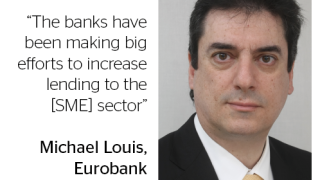
With the stock exchange and the country’s banking sector regaining strength, the real economy is beginning to feel the benefit. This is crucial, as capital being readily available to SMEs is fundamental to accelerating economic revival in Cyprus.
-
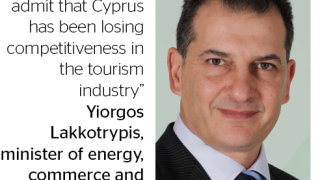
Cyprus might have the sun and the sea, but its share of the global tourist market has stagnated at about 2.5m visitors a year, while worldwide the total number of tourists has skyrocketed. Meanwhile, Brexit has cast a shadow. But rather than kicking back on the lounger, the government is implementing a 10 year strategic plan, focusing on quality rather than quantity.