Middle East Bonds
-
Bahrain is planning a dual tranche international bond deal, according to bankers that have seen the Kingdom’s request for proposals (RFP).
-
Abu Dhabi Commerical Bank — an A-rated CEEMEA stalwart — pulled a dollar bond mid-way through execution on Monday afternoon, leaving bankers and buyers questioning whether Middle East liquidity could be much weaker than they had thought.
-
Rival debt bankers like to pounce on pulled deals like coyotes on wounded possums. But emerging market syndicate officials would do well to look beyond the opportunity for point scoring to what Abu Dhabi Commercial Bank’s abortive trade really indicates about Middle East liquidity.
-
Rival debt bankers like to pounce on pulled deals like coyotes onto wounded possums. But emerging market syndicate officials would do well to look beyond the opportunity for point scoring to what Abu Dhabi Commercial Bank’s abortive trade really indicates about Middle East liquidity.
-
 Abu Dhabi Commerical Bank — an A-rated CEEMEA stalwart — pulled a dollar bond mid-way through execution on Monday afternoon, leaving bankers and buyers questioning whether Middle East liquidity could be much weaker than they had thought.
 -
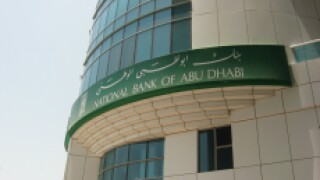
National Bank of Abu Dhabi has raised $75m with a trio of private floating rate medium term notes, printing at its shortest maturity yet in the format, and more in such maturities could follow from banks in the region.
-
Abi Dhabi Commercial Bank has released initial price thoughts equating to a 20bp new issue premium for its bond deal, according to a lead.
-
Etihad Airways and five other airlines in which it owns stakes, printed an innovative $500m structured bond on Wednesday and bumped it up to $700m a day later on the back of a late reverse enquiry.
-
Etihad Airways has tapped the $500m structured bond it sold on Wednesday for a further $200m. Despite this, the bonds have staying buoyant at around 101.25 bid.
-
Etihad Airways printed its innovative $500m structured bond on Wednesday. It pulled in pricing from guidance but opted for the lower end of the $500m-$750m size range the company was targeting.
-
The Republic of Iraq has set its sights on how much it is looking to raise with its first international bond outing almost a decade, according to a banker close to the deal.
-
This week brought the first of an expected rush of loans for Middle East banks, while Iraq is seeking a bond deal. Low oil prices mean a need for capital in the region, but it is not time for international dealers and investors to stampede there just yet.