Latest news
Latest news
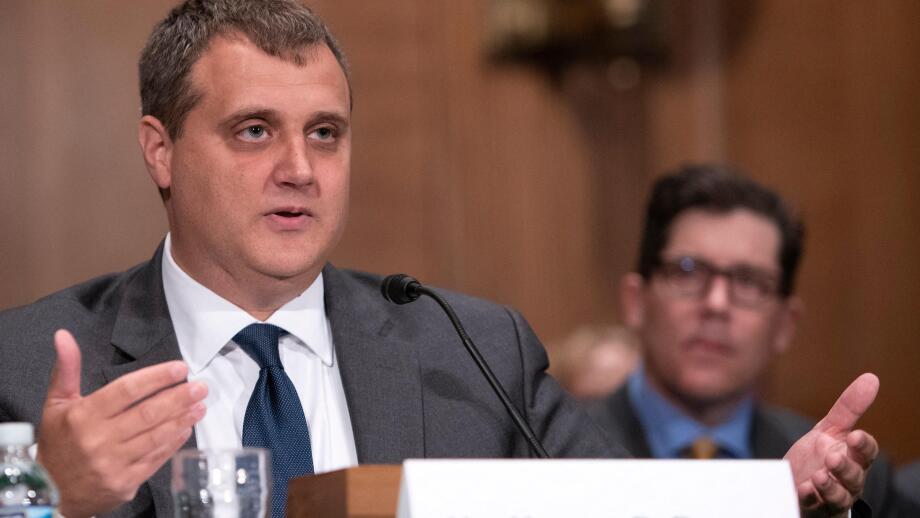
Structured Finance Association CEO Michael Bright previews major industry event
PRA and FCA go much further than EU in loosening rules

Liberated issuers will still have to follow European regulations if they want to sell in EU






More articles
More articles
-
 Cadwalader Wickersham & Taft has hired a former associate general counsel at Goldman Sachs for its securitization practice in Washington, DC.
 -
Senator Bill Nelson (D-Florida) has proposed legislation to cap undergraduate federal student loan interest rates at 4%, following a slew of federal student loan rate hikes that kicked in last week.
-
ABS deals not eligible for purchase by the European Central Bank will test the ability of the market to function without central bank participation, a potentially significant development given recent comments from ECB officials.
-
The European Commission approved Banca Monte dei Paschi di Siena’s (MPS) request for a ‘precautionary recapitalisation’ this week, throwing the Italian banking sector back into the limelight in an otherwise quiet week for the financial institutions bond market.
-
Barclays has poached a senior fixed income capital markets banker from Morgan Stanley as it reinvests funds into its corporate and investment bank.
-
The Basel Committee was a wonderful idea when was first convened. But with bank liquidity measures becoming more difficult to codify and different jurisdictions going their own way on a number of issues, the idea behind a united global banking standard might soon become irrelevant.
-
European ABS spreads are grinding ever tighter across asset classes as issuers ride a wave of demand into the summer.
-
The Basel Committee on Banking Supervision has criticised the European Union’s recognition of non-RMBS securitizations as being eligible for treatment as high quality liquid assets (HQLA), as a deviation from the Basel framework.
-
The business model of Premier League football is rapidly changing, from a ticket receipt revenue driven business to one driven by sponsorship and TV rights, and by using the capital markets, football clubs can finance their operations in more sophisticated ways.