

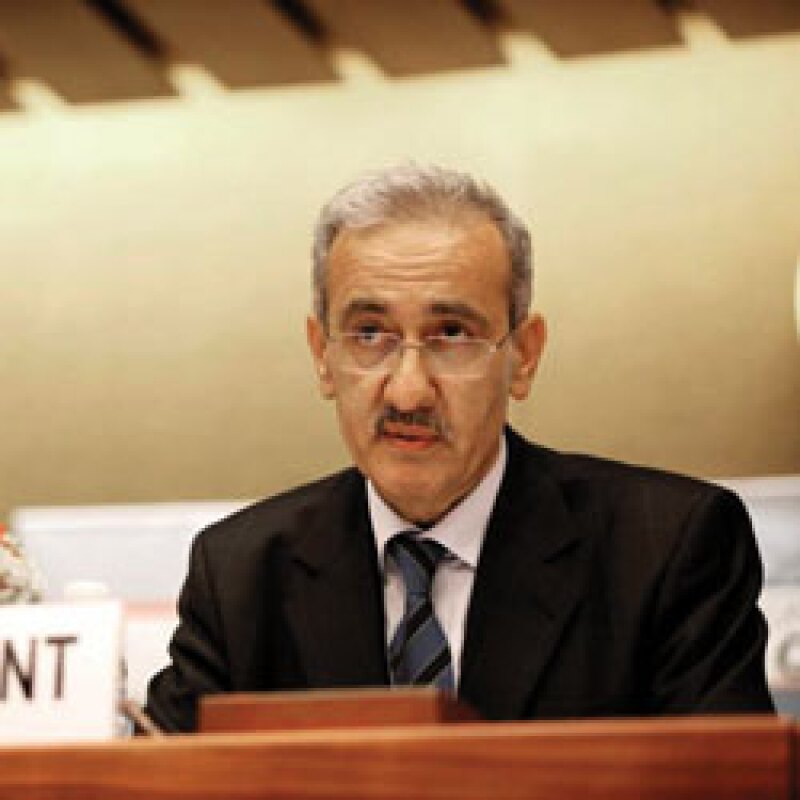
African countries must focus on trading with each rather than running into trade barriers in their attempts to sell agricultural produce to highly regulated American and European markets, policymakers told GlobalMarkets yesterday
“One of the biggest costs is logistics, because the further you go to the market the more expensive it becomes,” said Zambian Finance Minister Felix Mutati.
“So why don’t you deal with the guy next door, minimising your costs and, therefore, improving your margins,” he said. “A dollar is dollar. And you need to earn that dollar in the most cost effective way.”
He called for trade and infrastructure integration on the continent, telling GlobalMarkets that governments needed to take greater advantage of opportunities offered by regional markets. He said that if countries boosted inter-regional trade to 20% it would help transform economies.
Mutati, a former trade minister in his new post only a few weeks, said his government was encouraging farmers to look more toward the Democratic Republic of Congo than Europe to export.
“Instead of dealing with all the barriers of selling beef or sugar to Europe, we could sell food to people in the DR Congo who want it. We can sell a live goat or chicken, not worrying about all these phytosanitary barriers,” he told GlobalMarkets.
He said that while copper would remain a key component of Zambia’s economy – copper represents 60% of exports earning – there were options for agriculture and other sectors to sell goods to bordering countries.
BORDERLESS DREAM
Malado Kaba, Guinea’s finance minister, said the goal should be a borderless region. She said nations were small, so “we need to integrate to create economies of scale.” Also in West Africa, the Benin finance minister Romuald Wadagni praised the progress made by the Economic Community of West African States (ECOWAS), which plans to implement a common external tariff.
The big integration trend right now is in power, where countries are deregulating the industry and interconnecting power systems.
“Things have been getting better in the power sector. The sector has been unbundled, power price structures have been reformed and are now cost reflective. It is a sector that is poised to grow. It reminds me of what happened in telecom 20 years ago,” said Admassu Tadesse, president and CEO of PTA Bank, active in 20 countries.
A major undertaking is construction of a 500kV power transmission line through Kenya, Tanzania and Zambia. These three countries form a kind of a “missing middle” for regional power integration. Once the 2,300km line is finished it will mean interconnection from Egypt down to South Africa.
Tanzania earlier this week announced part of the project, with a tender for construction of a 414km line that would connect it to Kenya. The $310m project is jointly funded by the Tanzanian government, the African Development Bank (AfDB) and the Japan International Cooperation Agency (JICA). It should be finished in two years.
“This is the kind of initiative that the future of Africa will be built upon,” said Mutati.
Stephen Dhieu Dau, finance minister from South Sudan, said pooling resources to add energy, telecom and transportation infrastructure “not only enhance trade, but creates employment options”.