
Hopes of a jumbo trade partnership to kickstart the misfiring global economy were fading yesterday at the annual meetings of the IMF. A body of experts and officials told Emerging Markets that the sudden rise in anti-globalisation and populism were to blame for wrecking the prospects of big, intercontinental deals being signed this year.
In Asia, the 12-nation Trans-Pacific Partnership (TPP) is lumbering slowly toward an unclear endgame. In Europe, another US-led alliance, the Transatlantic Trade and Investment Partnership (TTIP), is frozen, very possibly for good. Negotiators are facing the real threat of years of work going down the drain.
Elsewhere, the Regional Comprehensive Economic Partnership, which conjoins 16 Asian nations including China, India, Japan and Indonesia, remains waterlogged, having earlier been slated for completion by early 2016.
“Every major trade agreement is running into obstacles,” said Paul Sheard, chief global economist at Standard & Poor’s. “Look at TTIP and TPP, two trade deals you would think would just sail through. Yet they are struggling, in large part because they embody another facet of the ongoing backlash against globalisation and free trade.”
In an interview with Emerging Markets, IMF managing director Christine Lagarde connected the failure of those two deals, which have limped along for years, with the widespread pushback against globalisation, and the rise of populist leaders feeding on the fears of fretful electorates.
“What we are seeing at the moment is a reversal…[of] the relatively free and unencumbered flow of goods and services on the basis of existing or international trade arrangements,” she told EM. “There are populist voices around in various countries, and not just in the United States, calling for withdrawing behind borders, limiting the flow of goods and services, hindering the flow of people where people could move freely.”
TRUMP/CLINTON UNITY
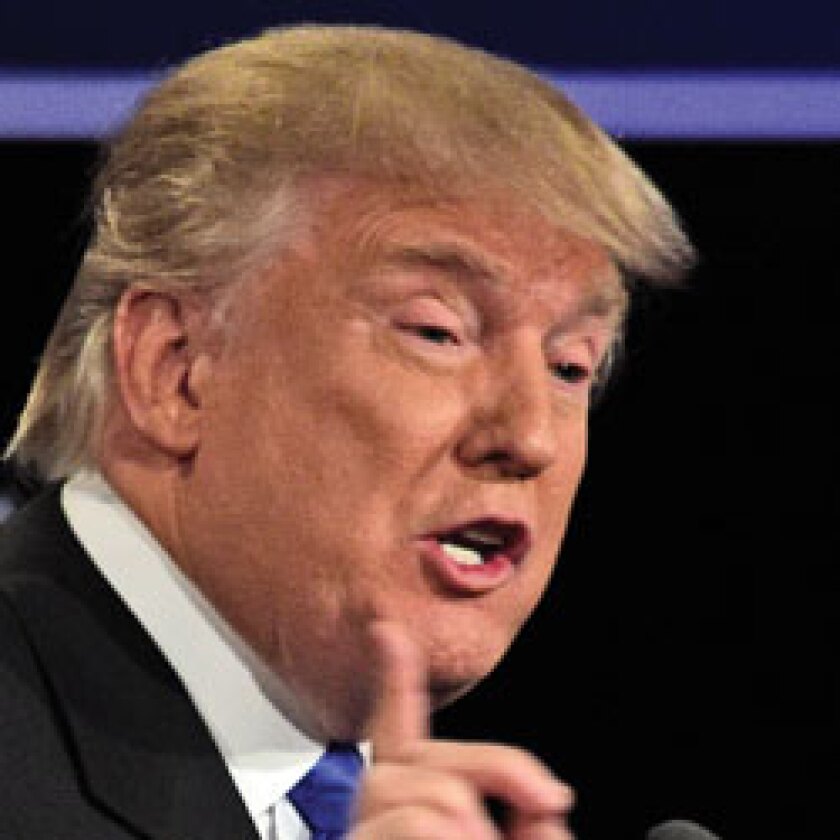
Advocates of a free trade deal have been particularly disappointed by the tone of the US presidential campaign where Republican contender Donald Trump has called for the US to withdraw from TTP talks and to renegotiate the North American Free Trade Agreement (Nafta). Democrat candidate Hillary Clinton, once a supporter of TTP, has also called for a US exit.
The same problem bedevils intra-regional economic alliances. In Latin America, Mercosur is as good as dead in the water. And in Europe, until a few years ago a model of economic and social stability and harmony, Britain’s majority decision to leave the union has left the world’s largest trading block in what European Commission president Jean-Claude Juncker terms an “existential crisis”.
However, some global leaders were not willing to give up on the supersized trading block. Brazilian finance minister Henrique Meirelles told Emerging Markets that trade partnerships were “still relevant”, and added that while the pushback against them was completely “natural”, given the uncertain nature of the global economy, he believed the public revolt against free trade and globalisation would pass. “At some point, this will be part of the past.”
Others were looking to smaller deals such as the Free-Trade Area of the Asia Pacific (FTAAP) that has been on the drawing board since the previous decade and has been pushed aggressively by China since 2014. Peruvian president Pedro Pablo Kuczynski, host of the upcoming APEC leaders’ summit, said the FTAAP faces headwinds, but he remains optimistic that leaders will see it as an even better idea than the other pacts.
“I think it (FTAAP) is a very good idea. It is better than having bits and pieces like the TPP, which is a huge piece, but not the whole. I told the Chinese that we would welcome this,” he told EM.