
Latest news
Latest news
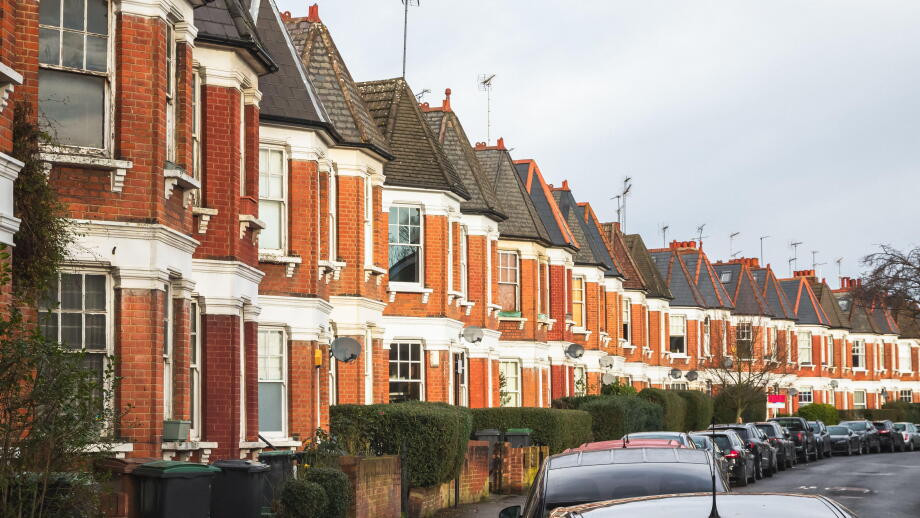
Volkswagen also added a UK auto ABS to the primary

Invictus, Annaly, JP Morgan to print a billion dollars each next week

UK lender has placed €1.5bn of Dutch prime RMBS paper this year, doubling its annual issuance






More articles
More articles
-
MassMutual has filed suit against Merrill Lynch, Fenner & Smith, Deutsche Bank Securities, Goldman Sachs, JPMorgan Securities and RBS Securities, charging them with misleading the insurer about the risks of the mortgages-backed securities they underwrote between 2005 and 2007 backed by loans issued by Residential Funding.
-
Market participants are optimistic of more new issuers tapping securitization markets for the first time in 2012.
-
Italian RMBS deals from the Credico series can now drop Italian government bonds, which were used to back the transaction liquidity facilities and subordinated loans, and replace them with cash, following amendments to the deals over the Christmas break.
-
The rating implications of global bank downgrades on U.S. structured finance transactions is expected to be minimal, according to Fitch Ratings.
-
Performance of commercial real estate loans improved in 2011, but will like worsen again next year as a result of charge-offs and shrinking liquidity, according to Trepp.
-
Spreadsheets containing data on borrowing by banks and companies through the Federal Reserve’s various emergency-funding programs have been released to the public for the first through the efforts of Bloomberg News.
-
Sen. Scott Brown (R-Mass.) has asked U.S. Attorney General Eric Holder and Mary Schapiro, chairman of the U.S. Securities and Exchange Commission, to launch a criminal investigation of Fannie Mae and Freddie Mac.
-
The Federal Reserve Bank of New York reinvested $8.75 billion of payments from agency debt into agency mortgage-backed activities for the week ended Dec. 21.
-
Moody’s Investors Service says that the final consultation paper of the U.K.’s Financial Services Authority’s Mortgage Market Review will have a negative credit impact on non-conforming residential mortgage-backed securities because weaker borrowers will find it more difficult to take advantage of waivers on affordability checks.