
This week on Another Fine Mezz, Tom Hall is joined by Mirco Iacobucci, head of European and APAC commercial real estate and digital infrastructure ratings at Morningstar DBRS, to talk about the fastest growing corner of European securitization.
Master trusts are standard in US data centre deals, and earlier this year EdgeConneX brought the structure to Europe.
Mirco says adding assets over time is a question of complexity rather than uncertainty, provided the trust has the right tools: occupancy thresholds; technical standards, such as a minimum PUE score, leverage and coverage tests; and a rating agency confirmation mechanism so that each new asset is underwritten before it goes in.
He also argues that the structural innovation in this year's deals is natural in a young asset class, but that the market will have to converge on common features if it wants the liquidity and pricing that investors reward.
“You don’t want a situation where each single operator decides to do their own securitization,” he says.
GlobalCapital’s Sarah Ainsworth then joins Tom to look at the week’s news. Around 17 deals were in marketing at once last week, as spreads held and last Thursday’s S&P conference found the market was expecting a third straight post-crisis issuance record to be set.
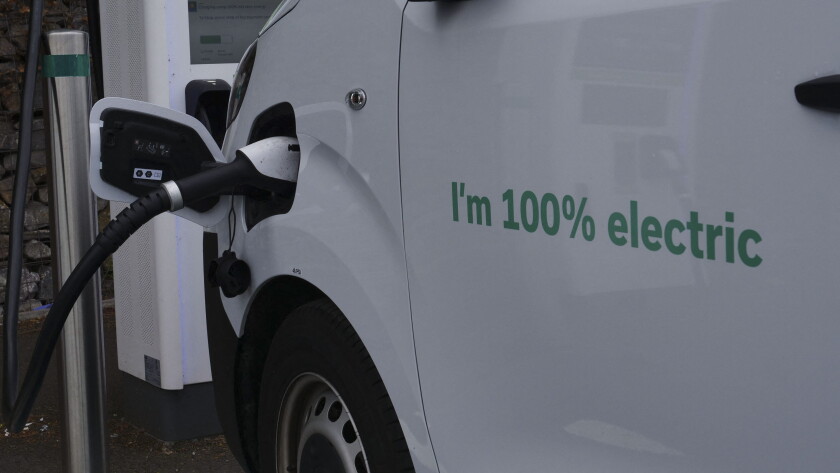
Tom’s cover story looks at Ayvens Belgian lease deal, the first ABS backed entirely by battery electric vehicles. Residual value risk is why the deal took until 2026. And it carries a green label that sources say helps with existing accounts more than it attracts new ones. Tom expects there will be bigger EV slices in mainstream pools before more all-electric deals come.
Sarah, standing in for Thomas Hopkins on CLOs, looks at a market that is pulling in two directions. Five Arrows’ Contego CLO X reset saw its triple-A notes priced at the tightest level since February, while its single-Bs were sold at a deep discount. An hour later, Ares launched a deal with nothing rated below BBB-. Rating agencies say the pressure is on older deals past their reinvestment periods rather than across the stack, and even S&P’s AI stress test only cuts a fifth of ratings.